Why this exists
Most commentary about AI and work sorts jobs into “safe” and “exposed.” The skilled trades get waved through as safe and left there. That misses the real story. The trades are protected because the work is physical and on-site, and at the same time they are among the biggest beneficiaries of AI, because so much of their cost is coordination, estimating, scheduling, billing, and cash collection that AI can now orchestrate. This index scores both: how protected each trade is (AI-Resilience) and how much profit AI can unlock around the labor (AI-Leverage).
What it is grounded in
Scores are editorial ratings published with their qualitative basis and the public sources and aggregate operating benchmarks that informed them:
- BLS/OEWS labor statistics (wages, employment, growth)
- IBISWorld and CFMA market and financial benchmarks
- Public county tax-assessor and building-permit records (contractor density, job values)
- Public business registries (firmographics: size, revenue, age)
- Public business-review listings (reputation and professionalization)
- Public-equity filings and returns (external market validation)
- Aggregate operating benchmarks from Level CFO (margin, collections, quote conversion, billing speed)
See the full methodology for the weighted sub-scores, and the data page for every machine-readable file.
On independence
This index is compiled by Sam Yang at Level CFO. Level is a finance and advisory firm that serves contractors in several of the trades scored here, and it owns some of the aggregate operating data cited. We say that plainly rather than dress the index up as third-party research. The scoring model and every source are published so anyone can check the work. The data pages are kept clean and citable; the one place we ask for anything is the “where does your shop stand” tool, where an owner can compare their own numbers and, if they want, book a free diagnostic.
Who compiled it
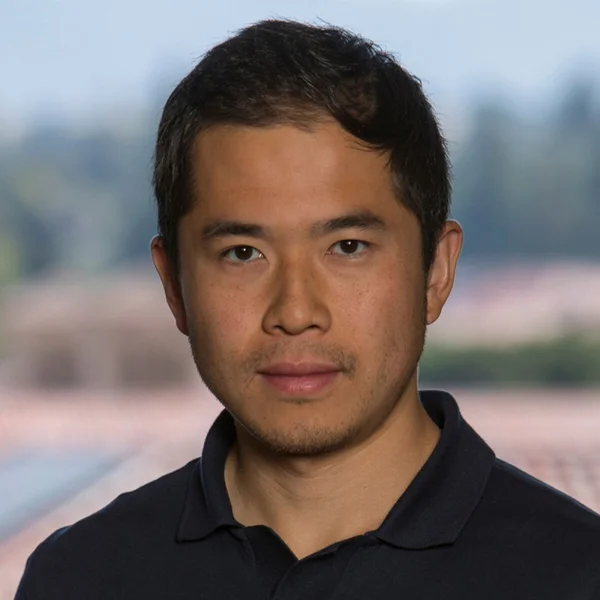
Sam Yang compiled the index. He has been a CFO across trade contractors, SaaS, and service businesses; spent four years as Director of Growth Product at a leading commercial-contractor software platform, building financial tooling used by 1,000+ contractors; and four years in private equity and investment banking rolling up and acquiring service businesses, roughly $2.5B in total transactions. Stanford MBA, Brown undergrad.
That mix, operating finance, software, and deal work, is why the index scores both sides of the AI question rather than one: what the numbers say about a trade’s labor and economics, and what technology can and cannot change about it. It is not a software pitch. The editorial scoring model, qualitative bases and cited references are published so readers can examine the judgment and source limits. Source observations do not mechanically certify each sub-score.
Want your own numbers on the board?
The index shows where your trade stands. A one-hour diagnostic shows where your shop stands, job by job.
Contact: [email protected] · levelcfo.com